
You don’t need a massive budget to make a big impact. In today’s digital landscape, small businesses and startups can achieve impressive marketing results by leveraging free or low-cost tools, strategic content, and authentic engagement. This guide explores actionable zero-budget marketing strategies that help you grow your business across multiple platforms—without breaking the bank.
1. Social Media: Build Presence Where It Matters

Focus on the platforms where your audience is most active:
- For B2C brands, Instagram, Facebook, and TikTok are popular.
- For B2B, LinkedIn and X (formerly Twitter) may be more effective.
Best Practices:
- Use consistent branding (logo, colors, voice) across all profiles.
- Engage authentically: reply to comments, ask questions, and join trending conversations.
- Take advantage of free features like Stories, Reels, and Live streams to increase reach.
Learn more:
2. Content Marketing: Create & Repurpose Valuable Content

Create content that addresses your customers’ pain points:
- Write blog posts answering common questions.
- Produce short videos demonstrating your product or sharing tips.
- Design infographics to simplify complex topics.
Repurpose content:
- Turn a blog post into a series of social media posts.
- Use snippets from videos as Instagram Reels or TikTok clips.
- Share infographics on Pinterest and LinkedIn.
Free Tools:
- Canva for graphics and infographics
- YouTube Studio for video editing and analytics
3. Email Marketing: Build Relationships Directly
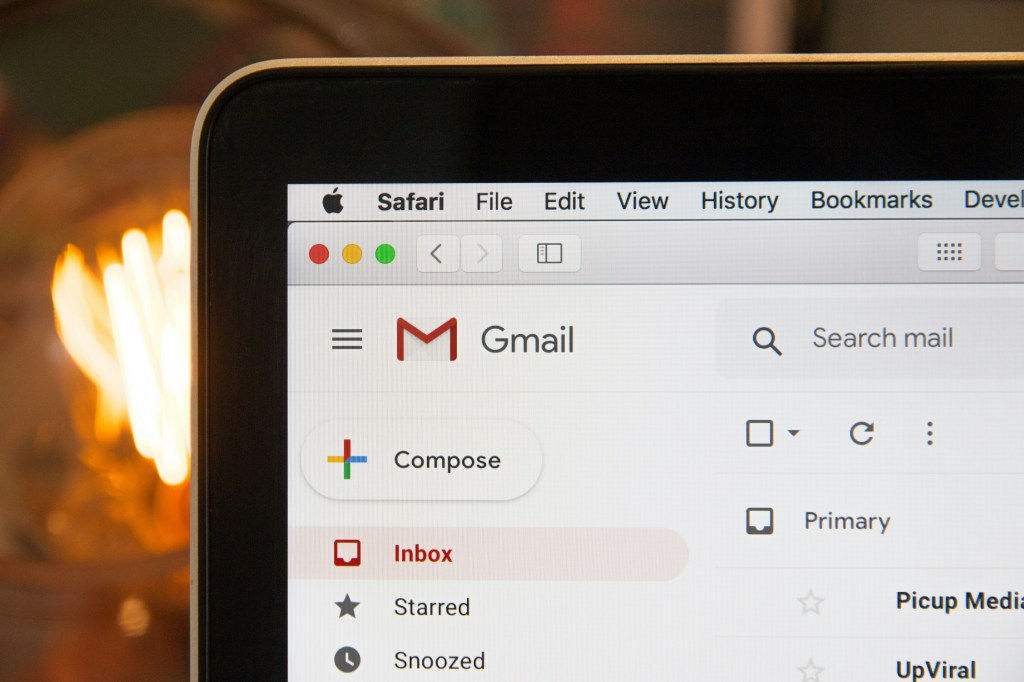
Why Email?
Email marketing offers one of the highest returns on investment, even for small lists.
How to Start:
- Add a sign-up form to your website or social media profiles.
- Offer exclusive content, discounts, or downloadable guides as incentives.
- Send regular newsletters with updates, tips, or offers.
Free Tools:
Tips:
- Keep emails concise and visually appealing.
- Personalize subject lines and content when possible.
4. Community Engagement: Grow Your Network Organically
Get involved where your audience gathers:
- Participate in local events, markets, or fairs.
- Join online forums, Facebook Groups, or Reddit communities related to your industry.
- Answer questions and offer value without overtly selling.
Benefits:
- Builds trust and credibility.
- Generates word-of-mouth referrals.
- Opens doors for collaboration and partnerships.
Find local events:
5. Collaborations: Amplify Your Reach
Partner with complementary businesses or influencers:
- Co-host webinars, workshops, or giveaways.
- Swap guest blog posts or social media takeovers.
- Bundle products or services for special promotions.
Why Collaborate?
- Access new audiences without extra cost.
- Share resources and expertise.
- Strengthen community ties.
Find partners:
- Reach out to local businesses via Instagram or LinkedIn.
- Use platforms like Collabstr to connect with micro-influencers.
6. Analytics: Measure, Learn, and Refine

Track what’s working—so you can do more of it:
- Use Google Analytics to monitor website traffic and conversions.
- Check built-in insights on Instagram, Facebook, and LinkedIn to see which posts perform best.
- Adjust your strategy based on real data, not guesses.
Tip:
Set aside time each month to review analytics and brainstorm improvements.
Conclusion
With creativity, consistency, and the right free tools, you can build a powerful marketing presence—no big budget required. Focus on authentic engagement, valuable content, and community connections to grow your audience and sales over time.
 Charlotte Good