
The Rise of Sustainable Fashion
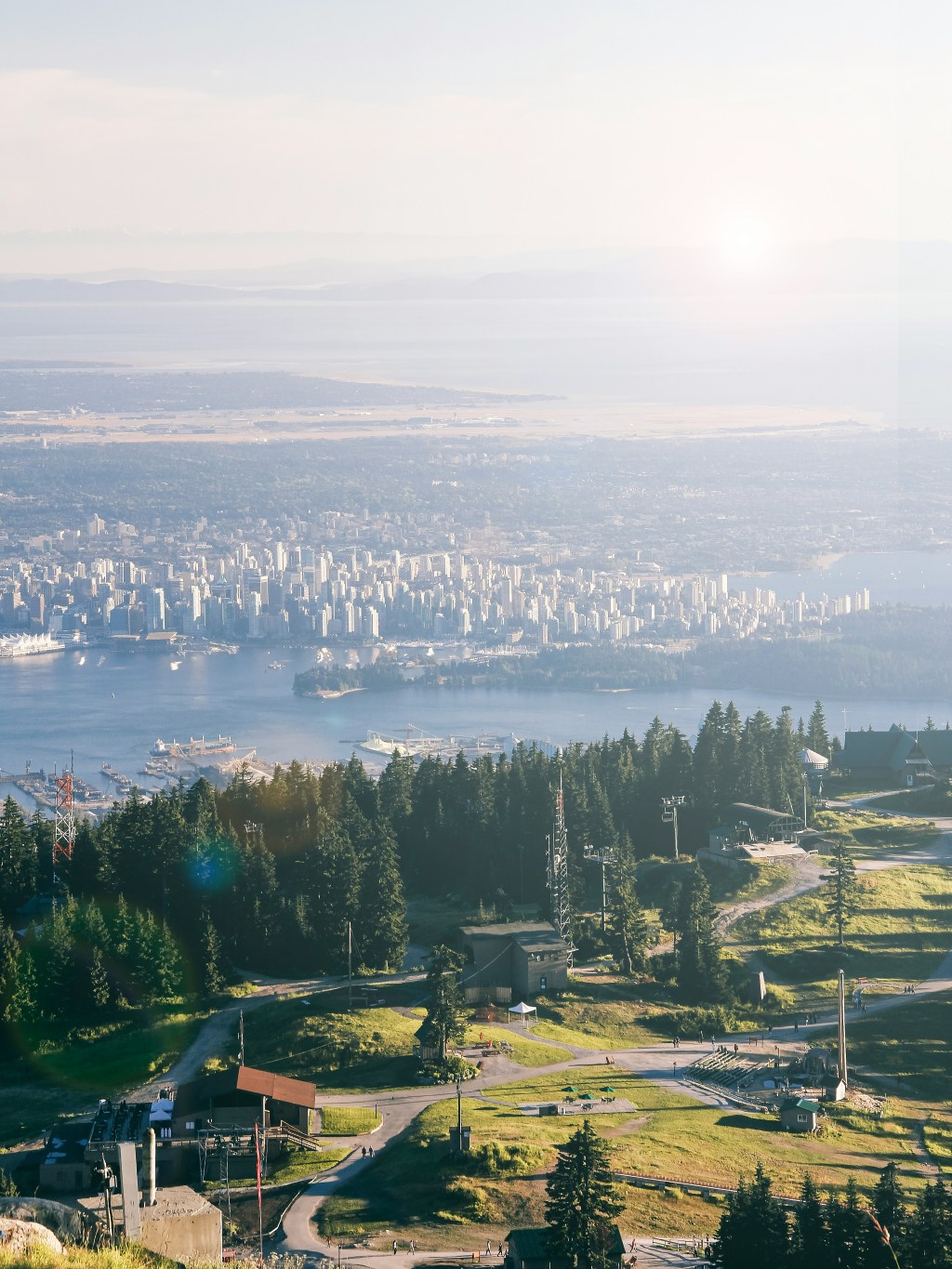
Over the past decade, consumers have become increasingly aware of the environmental toll of fast fashion. The West Coast, celebrated for its natural beauty and progressive values, has responded with a surge of sustainable fashion brands. These companies are not only reducing their ecological footprint but also setting new standards for transparency and social responsibility.
Key Drivers:
- Growing consumer demand for ethical products
- Increased awareness of fashion’s environmental impact
- Supportive local culture and government policies
Innovative Materials and Processes
Recycled Textiles

Brands like ANIÁN in Victoria are leading the way by using recycled natural fiber textiles. By sourcing materials destined for landfills, they are closing the loop and promoting a circular economy. This approach drastically reduces water usage and carbon emissions compared to conventional textile production.
Benefits:
- Diverts waste from landfills
- Reduces water and energy consumption
- Lowers carbon footprint
Ocean Plastic Solutions
Vancouver-based OCIN uses Econyl®, a regenerated nylon made from discarded fishing nets and ocean plastics. This not only cleans up marine environments but also creates high-quality, durable swimwear.
Learn more about Econyl: Econyl Official Site
Natural Fibers and Dyes
Arraei Collective emphasizes the use of organic cotton, linen, and hemp, all dyed with low-impact, plant-based colors. These choices minimize chemical runoff and promote soil health, supporting both the environment and the local agricultural economy.
Why it matters:
- Organic fibers reduce pesticide use
- Plant-based dyes are less harmful to waterways
Ethical Manufacturing and Fair Labor
Sustainability is not just about materials—it’s also about people. West Coast brands prioritize ethical manufacturing, often producing locally to ensure fair wages and safe working conditions. While Canadian labor laws provide a strong foundation, many companies go further by offering profit-sharing, flexible schedules, and community engagement programs.
Example Initiatives:
- Transparent supply chains
- Local production to reduce transport emissions
- Employee wellness and education programs
Inclusivity and Community Engagement

Nettle’s Tale, a Vancouver swimwear brand, is renowned for its inclusive sizing and diverse marketing. By featuring real customers in campaigns and offering sizes from XS to 4X, they foster a sense of belonging and challenge industry norms.
Community engagement is also key. Many brands host workshops, clothing swaps, and educational events to promote sustainable living beyond fashion.
Challenges and Future Prospects
Despite significant progress, sustainable fashion faces hurdles such as higher production costs, limited access to eco-friendly materials, and consumer price sensitivity. However, growing demand and government incentives are encouraging more brands to adopt sustainable practices.
Emerging Trends:
- Investment in textile recycling infrastructure
- Government grants for green innovation (BC CleanBC Program)
- Increased collaboration between brands and local communities
Conclusion
Sustainable fashion on Canada’s West Coast is more than a trend—it’s a movement. By choosing local, ethical brands, consumers can support a future where fashion is both stylish and responsible.
References & Further Reading
 Charlotte Good