
For Vancouver parents, choosing baby clothing and gear is about more than just comfort and style—it’s about making choices that are safe for their children and gentle on the planet. With so many products on the market, finding truly eco-friendly options can be overwhelming. This guide breaks down what to look for, which local brands to support, and how to make sustainable choices without sacrificing quality or convenience.
Why Choose Eco-Friendly Baby Products?
Babies have delicate skin and developing immune systems, making them especially vulnerable to chemicals commonly found in conventional textiles and plastics. Eco-friendly baby gear offers peace of mind by using safer materials and responsible manufacturing practices. Plus, these choices help reduce your family’s environmental footprint—an investment in your child’s future.
What to Look For: Materials & Certifications
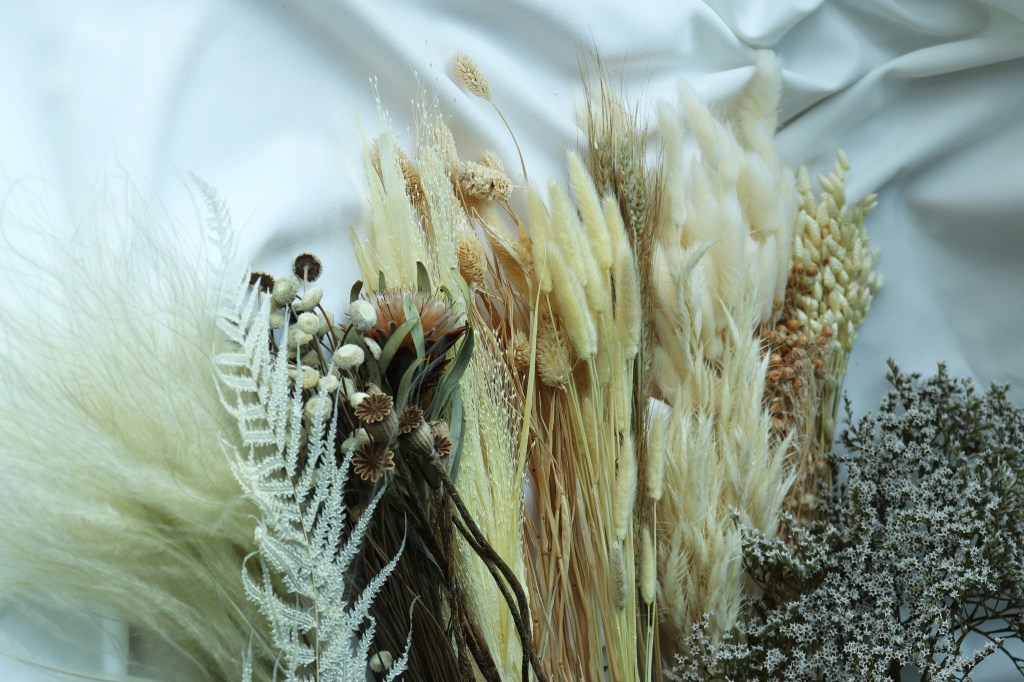
Prioritize clothing and linens made from:
- Organic Cotton: Grown without synthetic pesticides or fertilizers.
- Bamboo: Naturally hypoallergenic and biodegradable.
- Wool: Breathable, temperature-regulating, and renewable.
These materials are not only biodegradable but also gentler on sensitive skin.
Trusted Certifications
Look for third-party certifications to ensure products meet high environmental and social standards:
- GOTS (Global Organic Textile Standard): Learn more
- OEKO-TEX® Standard 100: Learn more
- Fair Trade Certified: Learn more
Tip: Check product tags or brand websites for certification details.
Supporting Local: Vancouver & BC-Based Brands
Choosing local brands supports the community and reduces emissions from shipping. Many Vancouver-based companies are leaders in sustainable baby gear:
- Loulou Lollipop: Eco-friendly baby essentials, including GOTS-certified swaddles and silicone feeding sets.
- Nest Designs: Organic cotton sleepwear and accessories.
- Mini Mioche: Ethically made, organic cotton basics for babies and kids.
- Q for Quinn: GOTS-certified socks and clothing.
Sustainable Gear: Strollers, Carriers & More
When shopping for baby gear beyond clothing, consider:
- Durability: Invest in products designed to last through multiple children or families.
- Materials: Look for recycled plastics, sustainably sourced wood, and non-toxic finishes.
- Take-Back and Upcycling Programs: Some brands offer recycling or trade-in options for used gear, reducing landfill waste.
Examples:
- UPPAbaby: Offers a trade-in program for strollers and car seats.
- Ergobaby: Recycles used carriers through their “Everlove” program.
Reduce, Reuse, Recycle: Second-Hand & Swapping
One of the most sustainable choices is to buy second-hand or participate in local gear swaps. Vancouver has a vibrant community of parents who buy, sell, and trade gently used baby items.
Where to look:
- Vancouver Mom Swap Facebook Group
- Once Upon a Child Vancouver
- Craigslist Vancouver – Baby & Kid Stuff
This not only saves money but also extends the life of products and keeps them out of landfills.
Practical Tips for Eco-Conscious Parenting
- Wash new items before use to remove any residual chemicals.
- Opt for gender-neutral colors and styles for easier reuse.
- Donate or resell outgrown gear to keep it in circulation.
- Avoid single-use plastics in feeding and diapering products.
Conclusion
By choosing eco-friendly baby clothing and gear, Vancouver parents can protect their children’s health and contribute to a healthier planet. Whether you’re buying new from local, sustainable brands or giving pre-loved items a second life, every choice makes a difference.
References & Further Reading
 Charlotte Good